
Bare-Root Roses — The Late-March Planting Window Nobody Tells You About
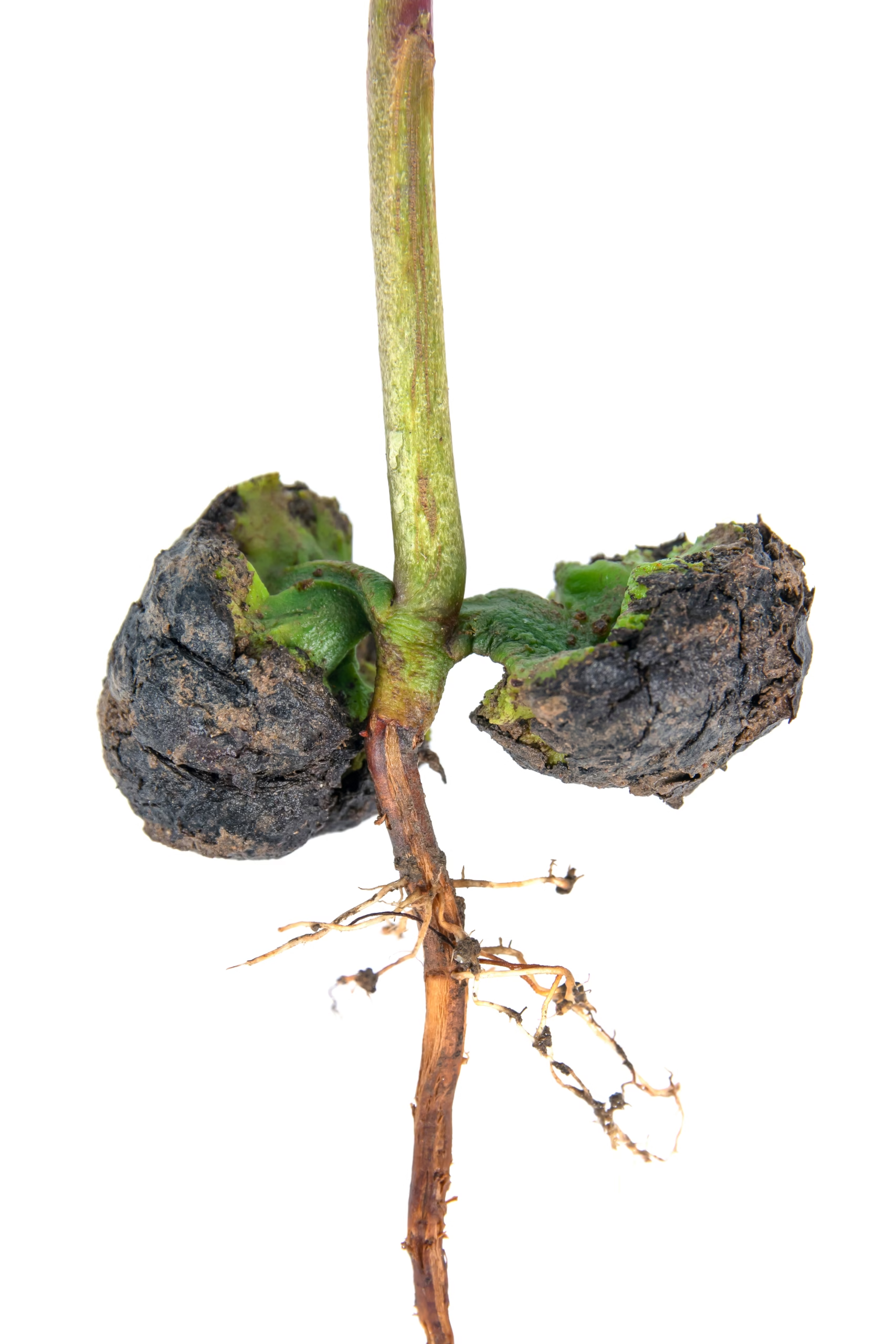
Most people who plant roses buy them in May from the garden center in 3-gallon pots, pay $35–$50 per plant, and fight to keep them alive through summer. The better play — for both your wallet and the rose — is bare-root roses in late winter.
What a “bare-root” rose is
A dormant rose plant shipped without soil, usually in cold storage. It looks like a bundle of sticks with a root mass wrapped in damp paper. Planted correctly at the right time, it outperforms container-grown roses because the root system gets established before any top growth pushes, and you’re not fighting compacted potting soil around the root zone.
The window in central Virginia
Bare-root planting window in USDA zone 7a (Fredericksburg) is late February through early April, roughly the same dormant window we use for tree transplants. The sweet spot is when the soil is workable (not frozen, not soggy) and before buds break.
Late March is often the last clean week before roses start pushing leaves — if you haven’t planted by the end of the first week of April, container-grown is the safer bet.
How to plant a bare-root rose
Based on BioAdvanced’s bare-root planting guide and VCE’s Planting Trees publication (same principles apply to woody perennials):
- Soak roots in water for 12–24 hours before planting. Not optional. Dry roots don’t recover.
- Dig a hole twice as wide as the root spread, same depth as the root mass. Mound soil in the center to cradle the root crown.
- Position the bud union (the swollen knob where the top grafted onto the rootstock) at or just above ground level. Too deep = rot. Too high = winter damage to the graft.
- Spread roots over the mound. Don’t J-root or crowd them.
- Backfill with native soil (not amended compost — that creates a “pot” effect). Water in as you backfill to settle air pockets.
- Mound mulch 4–6 inches over the canes for the first 2–3 weeks to prevent dehydration. Once you see buds swelling, pull the mulch back down to a 2–3 inch layer around the base (kept away from the canes themselves).
- Water deeply once a week until June — roots are establishing, heat hasn’t hit yet.
What to buy
For central Virginia, the reliable performers are:
- Knock Out roses (and its siblings Double Knock Out, Pink Knock Out) — almost impossible to kill, disease-resistant, bloom May through October
- Drift roses — groundcover type, excellent for bed edges
- David Austin English roses — more fussy, spectacular blooms, worth it if you’re willing to spray for black spot
- Rugosa roses — tough, salt-tolerant, good for areas the plow hits
Avoid hybrid teas in central Virginia unless you’re ready to spray fungicide weekly. They’re bred for California, not Virginia humidity.
Where this fits with us
We don’t plant roses as a specialty service — but if you’re redoing a bed and want mulch + soil prep + planting as a bundle, we’ll handle the planting as part of a Mulch service visit. Bring the roses (online sources ship better bare-root stock than most garden centers — David Austin, Heirloom Roses, Edmunds’ all reputable); we’ll dig, plant, mulch, and water-in at $15/plant installed.
Get your quote for a bed refresh plus planting at hibaxum.com/request-quote.

Sources
Related services
Ready for a Better Property?
Real prices in a few minutes — no sales calls, no obligation.