
Drainage — Why April Is the Month to Fix It
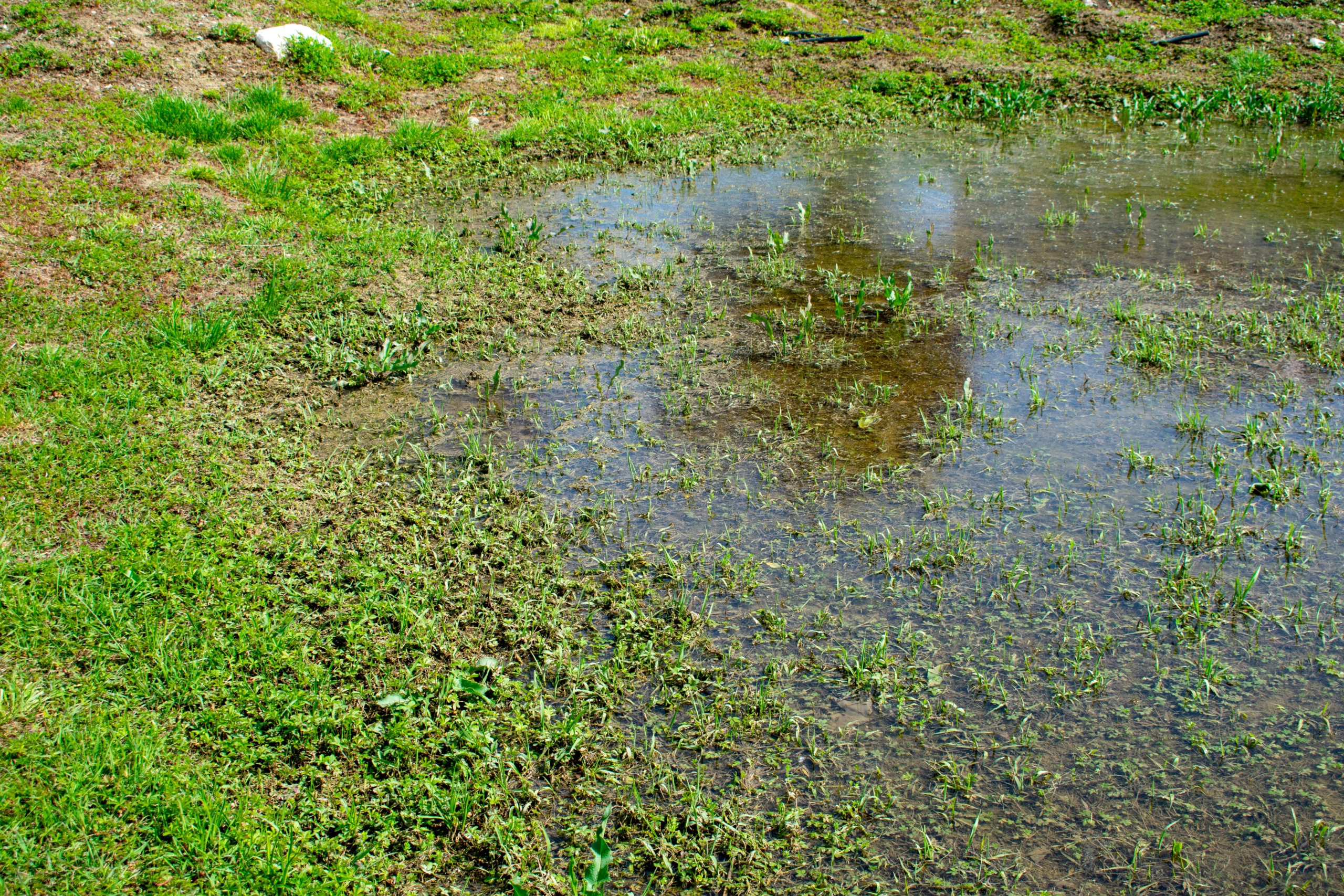
April is the single best diagnostic month of the year for drainage problems. You get frequent rain (spring normal is 3–4 inches for the month in central Virginia), the ground is saturated but not frozen, and vegetation hasn’t yet grown up to hide the evidence. Every drainage failure on your property is on display right now — either fix it, or live with the consequences getting worse every year.
What to look for after an April storm
The morning after a rain of 1/2 inch or more, walk the property with a notebook:
- Standing water anywhere on the lawn. If it hasn’t drained within 24 hours, that’s a drainage problem — not a “wet yard.” Turf drowns in saturated soil within 3–4 days during growing season.
- Water against the foundation. Look at every side of the house. Soil should slope away from the foundation at 6 inches of drop over the first 10 feet. If water’s pooling within 2 feet of the house, you have a grading failure that costs more every year it’s ignored.
- Downspout exits. Where’s the water going? If it’s discharging within 3 feet of the foundation, that water is going into your basement, crawl space, or slab joint. Extensions or splash blocks should carry water at least 6 feet away.
- Washed-out mulch channels. Any visible channels in bed mulch show you where water runs during storms. Those channels deepen every year.
- Hardscape edge erosion. Driveway edges undermined, walkway sections lifting, patio pavers tilted — that’s subsurface water moving fines out from under the slab.
The four most common drainage fixes
- Re-grade a slope. Compacted soil or settled areas near the foundation. Add clean fill, re-seed. Usually a half-day job.
- Extend a downspout. PVC or corrugated pipe running from the downspout to a daylight exit 10+ feet away. Under $150 materials; one afternoon.
- French drain. Perforated pipe in gravel bed, usually intercepting sheet flow on a slope. Bigger job — typically $500–$2,000 depending on length.
- Catch basin + dry well. Collects surface water at a low spot and carries it underground to a gravel reservoir. $1,500–$3,500 job for a typical residential installation.
Why April and not May
Three reasons:
- Ground is workable but not dry — easy to dig, easy to see where water goes
- Turf hasn’t fully filled in yet, so you can see damage and re-seed without permanent scarring
- You’re ahead of the June thunderstorm season, which is when minor problems become expensive ones
What’s DIY vs. call someone
Regrading a soft spot, extending a downspout, replacing a splash block — those are weekend projects for most homeowners. Anything involving pipe trenching longer than 15 feet, anything near buried utilities, or anything that involves tying into a municipal storm drain is a professional job. Call 811 before you dig anything.
Where we fit
We handle re-grading, downspout extensions, and surface drainage work. French drains and dry wells we contract out to a local excavator we trust and coordinate with you. The first step is always the walk-through with you after a rain — we photograph everything, prioritize what matters vs. what’s cosmetic, and give you a real fix list with prices.
Book a Basic Yard Clean Up for the walk + report, or add drainage assessment to a spring cleanup visit. Get a real quote at hibaxum.com/request-quote.
Ready for a Better Property?
Real prices in a few minutes — no sales calls, no obligation.